← Home / Discover Uganda
Uganda occupies an extraordinary, untamed niche in East African exploration. Famously termed the "Pearl of Africa" by Winston Churchill, this equatorial haven converges two distinct natural worlds: massive savanna basins managed for big game and primeval, high-altitude cloud forests that serve as the final sanctuary for endangered mountain gorillas and wild chimpanzees.
Gorilla Trekking in Bwindi & Albertine Rift Safaris
Uganda's geographic diversity is profoundly complex. The absolute epicenter of its global conservation profile is the **Bwindi Impenetrable National Park**—a sweeping, ancient rainforest blanketed by dense, low-hanging mist. Spanning across jagged volcanic ridges along the edge of the Albertine Rift Valley, these vertical slopes protect half of the earth's remaining wild mountain gorilla populations within thick, untouched vegetation.
Further north, the dense canopies transition into **Kibale Forest National Park**, an ecological wonderland containing the highest concentration and diversity of primates in East Africa, including large, habituated chimpanzee communities. In striking contrast to these mountain jungles lie the open grasslands of Queen Elizabeth National Park—famous for its tree-climbing lions in Ishasha—and Murchison Falls, where the historic Nile River forces its entire volume through a tiny six-meter stone gorge.
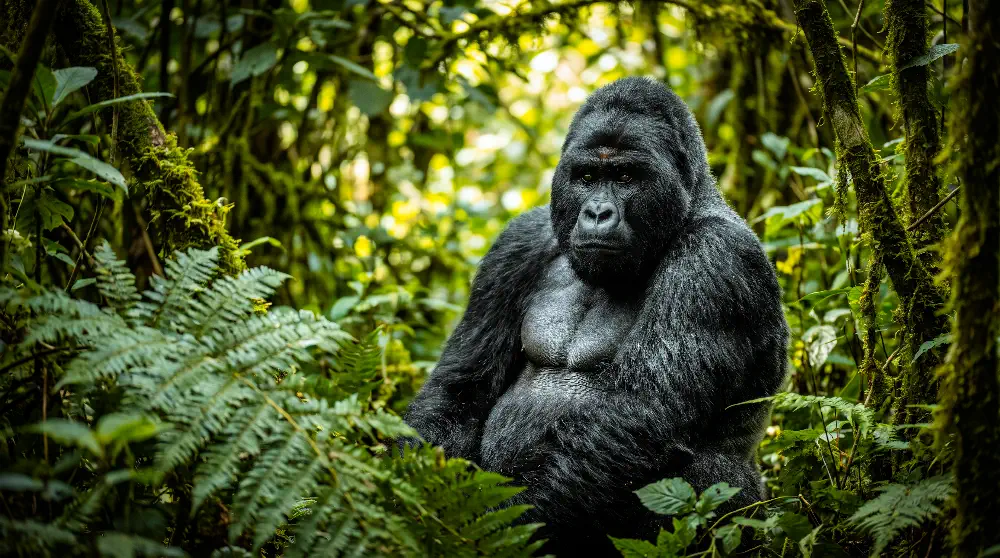
Tracking habituated mountain gorillas inside the ancient tropical rainforests of southwestern Uganda.
Authentic Cultural Experiences on an East African Safari
Uganda’s cultural roots stretch back through highly sophisticated pre-colonial history, defined by the rise of powerful centralized Bantu kingdoms. Legacies like the historic Buganda, Bunyoro, and Toro empires managed centralized legal and agricultural architectures across the fertile Great Lakes long before any external contact.
The late 19th century saw the arrival of the British Empire, which established the Uganda Protectorate in 1894. Unlike neighboring agricultural colonies, the British ruled indirectly through the pre-existing royal networks, keeping tribal structures intact but superimposing colonial borders that combined distinct regional populations.
Uganda emerged into proud, peaceful independence on **October 9, 1962**. Though the young republic survived turbulent decades during the late 20th century, the resilience of its citizens has cultivated a modern, politically stable nation. The historic kingdoms have been culturally restored, establishing Uganda as a culturally rich destination that prioritizes local community ownership over its world-renowned wilderness.
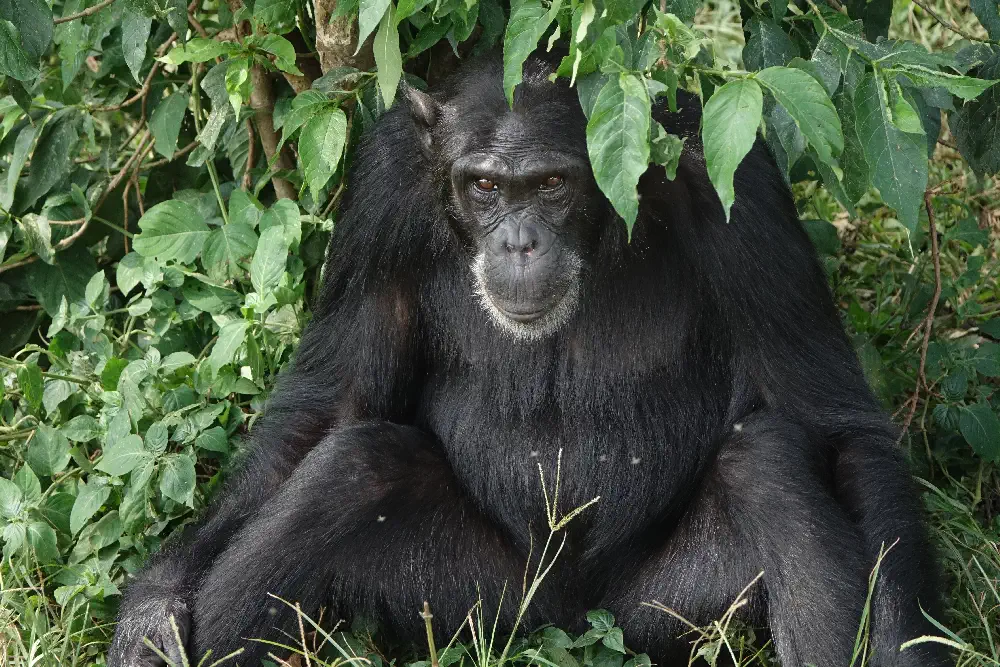
Kibale Forest serves as a premier research and tracking sanctuary for habituated chimpanzees.
Experience Uganda Firsthand
Locking eyes with a silverback gorilla through the misty leaves of an pristine jungle is a profound encounter. Let us design your custom tracking journey.
Request a Custom Route Draft
Ethical Gorilla Trekking: Guidelines & Community Conservation
Uganda’s cultural fabric is incredibly diverse, home to roughly 56 distinct ethnic groups bound together by exceptional warmth and a shared passion for artistic oral storytelling.
- The Batwa Communities: The original hunter-gatherer inhabitants of Bwindi Forest, the Batwa possess unparalleled jungle lore, sharing ancient tracking traditions and medicine systems.
- Traditional Dance: Storytelling is expressed through complex, rhythmic dance routines like the vibrant Amakondere trumpet dances and the high-energy jumping ceremonies of the western plateaus.
- Language & Hospitality: English is the primary language used across administration and guiding loops, ensuring seamless travel, alongside Swahili and Luganda, which are spoken widely.
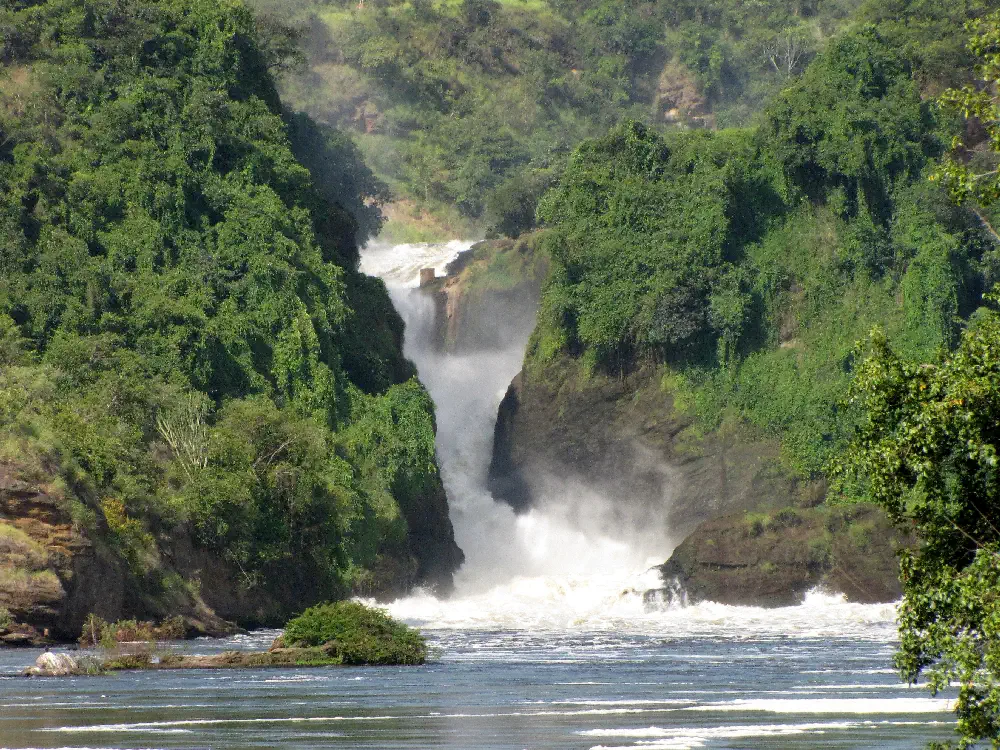
The spectacular Nile waters rushing through the rocky bottleneck of Murchison Falls.
Securing Gorilla Trekking Permits & Luxury Forest Lodges
To shield rare wildlife from overcrowding, Uganda maintains strict daily permit tracking quotas. Primate viewing is managed down to the minute, ensuring you encounter these magnificent silverbacks and chimpanzees in silent, undisturbed family groups.
Down along the open savanna grasslands, the wildlife viewing is equally spectacular. Massive herds of Ugandan kob, Cape buffalo, and elephants move across the plains, while the Kazinga Channel boat cruises put you right next to hippos, crocodiles, and thousands of migratory birds.
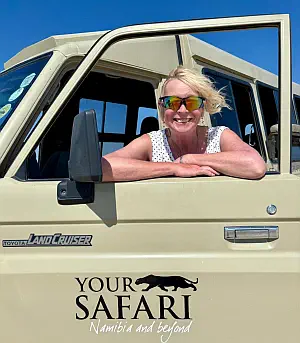
About The Vetting Expert: Kathryn Haylett
Kathryn is a veteran field explorer, author of "The Photographer’s Guide to Etosha," and the founder of Your Safari. She designs custom, safe, and breathtaking itineraries backed by 25+ years of personal African safari design experience.
Frequently Asked Questions
Planning a gorilla tracking holiday or an overland safari to Uganda is a life-changing adventure, but navigating equatorial mountain forests and technical permit boundaries requires careful preparation. To ensure your journey through Bwindi, Kibale, and the savanna parks is seamless, we have answered our travelers' most frequent questions below.
No, you must never drink tap water in Uganda. Premium wilderness lodges, luxury tented camps, and hotels always provide unlimited, complimentary bottled or heavily purified water for drinking and brushing teeth. Your tracking vehicles will always be stocked with sealed drinking water.
The difficulty level is highly dynamic and depends on where the wild gorilla families move. Hikes can range from an easy 45-minute stroll to an intensive 4-to-6-hour climb up steep, muddy, and trail-less volcanic slopes. We highly recommend bringing hiking poles, high-traction boots, and hiring a local porter to assist you on the mountain trail.
Overland safaris use specialized private 4x4 vehicles with popup roofs, allowing you to view rural villages and scenic valleys, though driving times between parks can be long. Fly-in plane safaris use light aircraft to hop between bush airstrips (like Kihihi or Kisoro), eliminating travel days and maximizing your active tracking window.
Uganda offers incredible biodiversity. Beyond gorillas, you can track wild chimpanzees in Kibale, witness tree-climbing lions in the Ishasha sector of Queen Elizabeth National Park, spot massive herds of elephants, hippos, and crocodiles on Kazinga Channel cruises, and see leopards, giraffes, and shoebill storks.
Yes, strict parameters apply. Regional domestic flights between Entebbe and remote safari fields enforce a strict maximum weight ceiling of 15kg (33lbs) per person, inclusive of hand bags. All baggage must be packed into small, soft-sided duffel bags so they can fit inside the small aircraft pod compartments.
Yes, UK citizens require a visa. All tourist visas must be secured online ahead of departure through the official Uganda Electronic Visa Electronic Application Portal. Visas are no longer issued upon arrival at Entebbe Airport checkpoints. Passports must be valid for at least 6 months past your return date.
The currency is the Uganda Shilling (UGX). However, clean, un-torn US Dollars (USD) printed in the year 2013 or newer are universally accepted at premium lodges and for tipping. Visa cards are accepted at major city venues, but remote bush areas rely exclusively on cash notes.
Uganda is a very safe, secure, and politically stable country for holiday travel. Tourism infrastructure is highly developed, and the national parks are monitored by specialized wildlife protection units. As with any global destination, maintaining basic situational awareness in busy capital areas like Kampala is wise.
Uganda maintains very conservative legal policies regarding LGBTQ+ relationships. However, private luxury safari operators, isolated jungle lodges, and remote eco-camps are exceptionally professional, welcoming, and hospitable to all couples. Public displays of affection are generally uncommon across all groups due to traditional local customs.
English is the official language used across education, government, and the entire safari sector, meaning tracking communications and lodge hosting are completely seamless. Luganda and Swahili are spoken natively by local communities across the country.