← Home / Discover India
India is a sensory masterpiece. Far beyond its bustling modern cities lies an ancient, raw wilderness of dense bamboo thickets, towering Sal forests, and rocky fortresses. This is the historic landscape that inspired Rudyard Kipling’s The Jungle Book—a realm where apex predators rule and nature commands absolute respect.
Private Tiger Safaris: Kanha, Bandhavgarh & Pench
While India features remarkably diverse geography—stretching from the snowy peaks of the Himalayas to the tropical shores of the south—wildlife safaris focus deeply on the central highlands of **Madhya Pradesh**. This sprawling internal plateau serves as India’s ecological heartland, characterized by vast tracts of tropical moist deciduous forest.
In legendary reserves like Kanha, Bandhavgarh, and Pench, the landscape is defined by rugged sandstone cliffs, sweeping meadow basins (called maidans), and dense riverine valleys. Slow-growing Sal trees form towering, emerald canopies, while sprawling networks of bamboo thickets provide the perfect, dappled camouflage for the country's secretive wildlife.
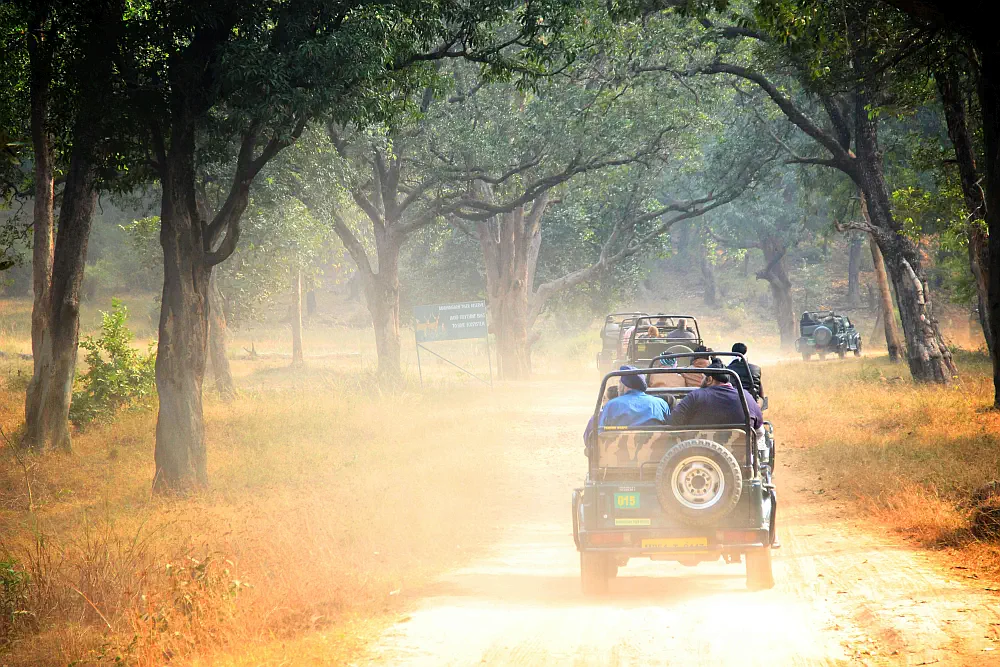
Jeep safari exploration across the deciduous forests of Madhya Pradesh. Image by Amit Jain.
Planning an Indian Tiger Safari: Protected Parks & Habitats
India’s wilderness carries deep historical footprints. For centuries, the dense forests of central India were ruled by indigenous Gond and Baiga dynasties, who lived in harmony with the terrain. By the 16th century, these jungles became the exclusive hunting grounds of Mughal emperors and, later, British officials and local Maharajas. Bandhavgarh Fort, dominating the cliffs of its namesake park, boasts a history stretching back over 2,000 years, etched with ancient cave inscriptions and monolithic stone carvings.
Unchecked hunting and post-colonial agricultural expansion took a severe toll on wildlife populations. Recognizing the imminent loss of their national heritage, the Indian government launched **Project Tiger** in 1973 under the strict guidelines of the Wildlife Protection Act.
This historic legislation turned former royal shooting preserves into highly protected, tightly managed national sanctuaries. Today, these parks employ rigorous anti-poaching squads and closely monitored entry quotas, ensuring the survival of India's iconic ecosystems.
Experience India Firsthand
Hearing the frantic alarm call of a spotted deer echo through the trees as a tiger emerges from the brush is a moment of pure magic. Let's design your custom Indian expedition.
Request a Central India Itinerary Layout
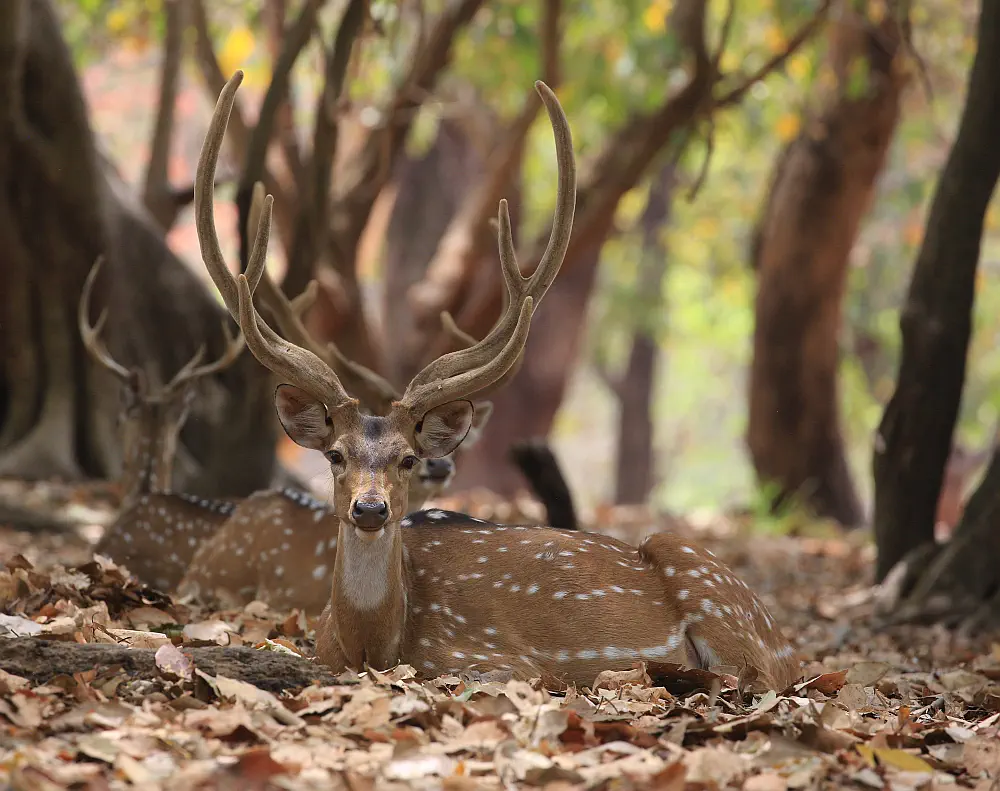
Spotted deer in the early morning beneath the towering Sal canopies of Madhya Pradesh.
Indian Wildlife & Cultural Tours: Experiencing Local Life
India's cultural landscape is intricately tied to its natural world, nowhere more so than among the indigenous communities surrounding the central tiger reserves.
- The Baiga Tribe: Traditionally living deep within the forests of Madhya Pradesh, the Baiga possess unparalleled knowledge of medicinal plants and jungle tracking. They are famous for their intricate geometric tattoos, which reflect their deep spiritual bond with the earth and forest spirits.
- Gond Art: The Gond people express their relationship with nature through dynamic, vivid paintings. Using patterns of dots and lines, they depict forest folklore, animals, and sacred trees, a tradition that has gained international acclaim.
- Coexistence and Faith: Across rural India, spiritual traditions foster a deep reverence for wildlife. Major apex predators are revered as sacred guardians, helping maintain a profound baseline of cultural tolerance and respect for coexistence along the edges of the parks.
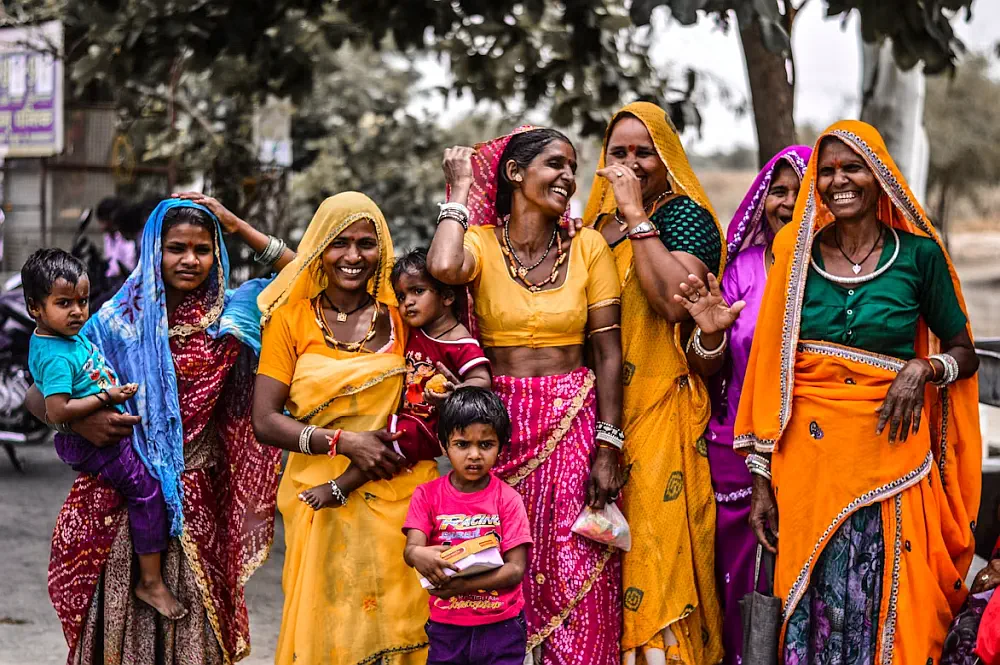
Rajasthani Women in Jodhpur, Rajasthan, India. Image by Varun Gaba.
Best Places for Tiger Safaris in India: Tracking the Bengal Tiger
While African safaris are celebrated for their sweeping savannas and sheer numbers, an Indian safari is an intense, thrilling exercise in tracking. Every animal in the forest plays a role in the drama, communicating through complex alarm calls that echo when a predator moves.
The absolute ruler of these jungles is the **Royal Bengal Tiger**. To give our guests the safest and most reliable opportunities to witness these magnificent cats in their natural habitat, Your Safari collaborates closely with Asia's elite ground management agency, **Orange DMC**.
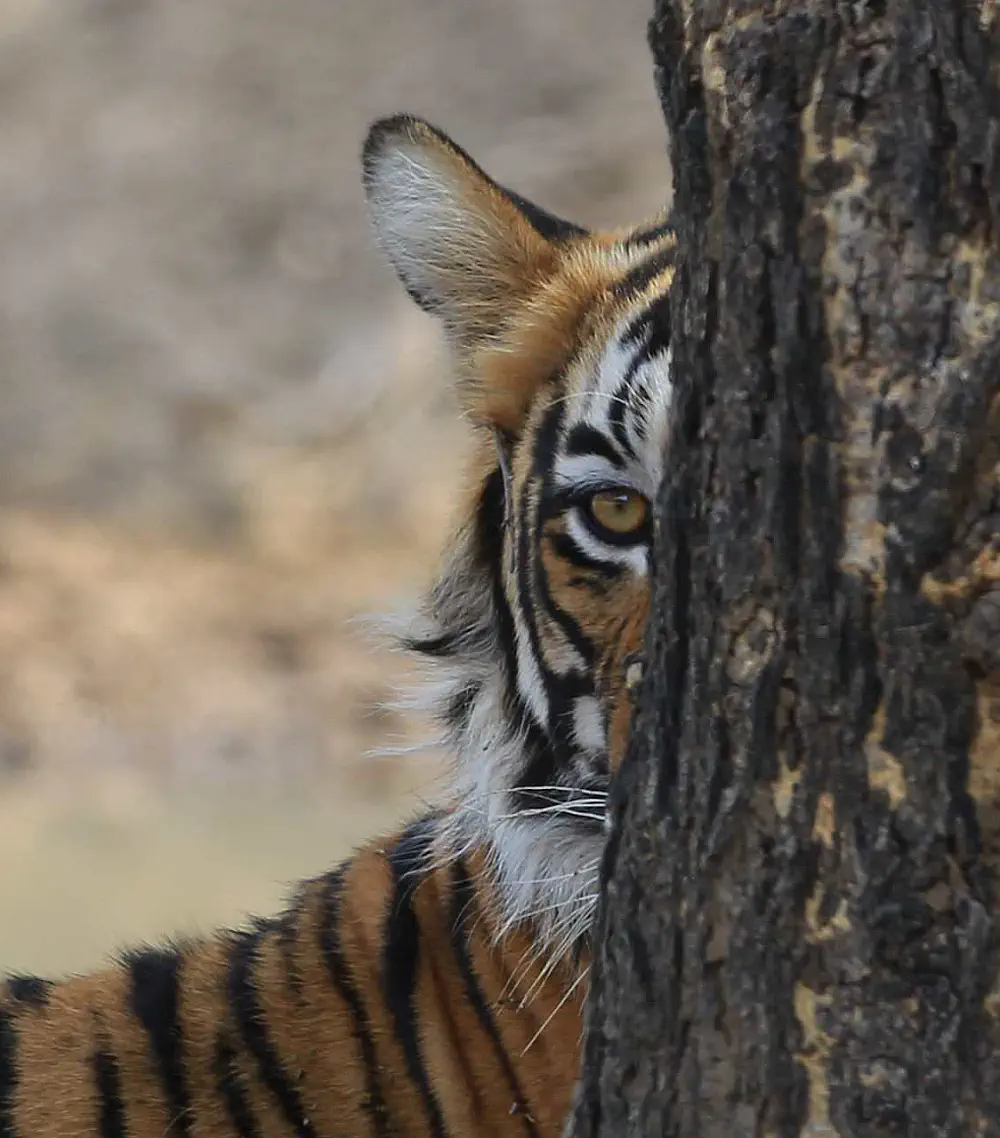
Literally the eye of the tiger.
Beyond tigers, India's jungles boast an incredible diversity of specialized wildlife. You can spot Indian leopards leaping gracefully through rocky terrains, elusive sloth bears foraging in termite mounds, wild dholes (Indian wild dogs) hunting in packs, and massive gaurs—the largest wild cattle species on earth. The forest floors are constantly alive with spotted chital deer, barking deer, and large sambar deer, while langur monkeys watch vigilantly from the branches above.

About The Vetting Expert: Kathryn Haylett
Kathryn is a veteran field explorer, wildlife tracking author, and safari architect. Working alongside premier in-country management partners like Orange DMC, she creates safe, seamless, and deeply immersive journeys.
Frequently Asked Questions
Embarking on a bespoke expedition to track the Royal Bengal Tiger through India’s ancient jungles is an unforgettable experience, but it requires highly specific planning. From understanding national park slot allocations to navigating local camera regulations, we have answered the most common questions from our safari guests below.
The premium months for tiger photography are March, April, and May. As the dry season peaks, vegetation thins out dramatically, and tigers are forced to emerge from the deep brush to spend hours lounging around remaining waterholes. If you prefer more comfortable, cooler weather, November to February is beautiful, though the jungle is much thicker.
No. Core tiger reserves in Central India (such as Bandhavgarh, Kanha, and Pench) completely close to the public from July 1st to September 30th every single year due to the seasonal monsoon rains. Buffer zones occasionally remain open, but core safari tracks are strictly off-limits during these months.
India regulates park entry incredibly strictly via an online government permit quota system. Permits for specific park zones often sell out months in advance. Because we prioritize the absolute best photography loops, we handle all your park permits directly, which is why we highly recommend booking your tour at least 4 to 6 months ahead.
Safaris are conducted in open-top, specially modified 4x4 Maruti Gypsys. These small, nimble vehicles are ideal for navigating the narrow jungle tracks of Central India and offer completely unobstructed 360-degree viewing lines, which is perfect for capturing low-angle tiger shots from your seat.
Yes, UK passport holders require a visa before flying to India. Most travelers qualify for the quick and easy electronic tourist visa (e-Tourist Visa), which can be filled out online. Ensure you only apply through the official government portal at indianvisaonline.gov.in to avoid third-party agency fees.
No, you must never drink tap water in India. Premium safari lodges and luxury hotels always provide unlimited, complimentary bottled or heavily purified water for drinking and brushing teeth. On game drives, your vehicle will always be stocked with chilled, sealed water bottles.
The currency is the Indian Rupee (INR). It is technically illegal to import or export local rupee cash notes across customs. The best strategy is to carry clean British Pounds (GBP) or US Dollars and exchange them at the airport or your hotel reception desk, or simply withdraw local currency from ATMs in major cities like Delhi or Jabalpur.
Standard DSLR and mirrorless cameras used for personal photography are fully permitted on our tracks. However, some parks charge small daily entry fees for large telephoto lenses (typically over 300mm or 400mm lenses). Drone photography is strictly prohibited inside all national wildlife parks and tiger sanctuaries across India.
An organized safari tour is exceptionally safe. From the moment you land at the airport, you are looked after by our private drivers, naturalists, and luxury lodge teams. Because your entire internal transit and wilderness excursions are pre-arranged and fully escorted, you can explore the country with total peace of mind.
To avoid alerting wildlife, you should pack neutral clothing colors like khaki, brown, olive green, and beige. Avoid bright neon hues or pure white. Central India mornings can be surprisingly cold in the open vehicles, so packing warm fleece layers, a windbreaker jacket, and a lightweight scarf to block tracking dust is essential.