← Home / Discover Botswana
Botswana represents the pinnacle of untouched African wilderness. By intentionally choosing a low-volume, high-value tourism model, the country has preserved vast expanses where nature operates entirely uninterrupted. From the emerald channels of the Okavango Delta to the sun-baked salts of the Makgadikgadi, it is a landscape of stark, beautiful contrasts.
The Okavango Delta: An Oasis in the Kalahari Desert
The geography of Botswana is a fascinating paradox. Nearly 70% of its landmass is covered by the arid Kalahari Desert. Yet, embedded within this dry sand basin sits the Okavango Delta—the world’s largest inland delta system.
Each year, rainwater falling in the distant highlands of Angola treks hundreds of miles to empty directly into the Kalahari sands, creating a pulsing 15,000-square-kilometer labyrinth of lagoons, floodplains, and hidden channels. It is an evolutionary sanctuary where big game tracks, birdlife, and aquatic plants thrive in absolute balance.

Gigantic elephant herds converge along the Chobe River ecosystem.
Peaceful Heritage: The Story of Modern Bechuanaland
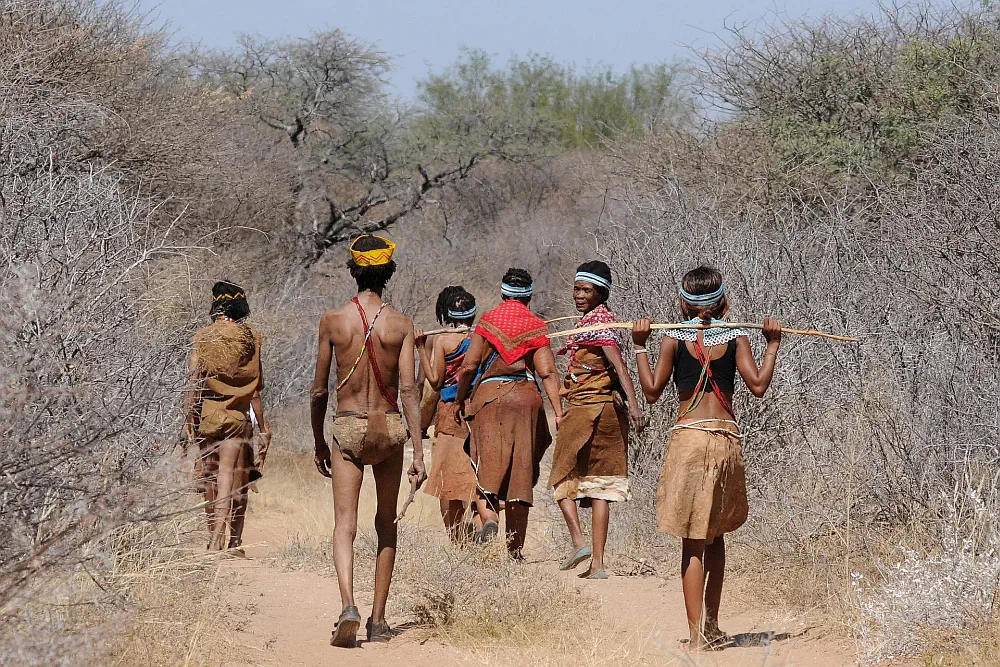
Unlike many of its neighbors, Botswana's transition to modern independence is defined by diplomacy and peace. Originally inhabited by the San (Bushmen), the region saw the migration of cattle-herding Tswana tribes in the 14th century, establishing structured independent chiefdoms.
In 1885, fearing encroachment from Boer settlers, local Tswana kings successfully negotiated with Great Britain to establish the Bechuanaland Protectorate. This unique legal status protected local borders while leaving tribal leadership largely self-governed.
Led by the visionary statesman Sir Seretse Khama, Botswana peacefully transitioned to full independence on September 30, 1966. Shortly after, major diamond deposits were discovered. Rather than funding conflict, these resources were reinvested into national education, infrastructure, and world-class environmental conservation, forging one of Africa's most stable and thriving democracies.
Gigantic elephant herds converge along the Chobe River ecosystem.
Experience Botswana Firsthand
Gliding through reed-lined lagoons in a traditional wooden dugout canoe or tracking apex predators across Moremi is a soulful return to untamed earth. Let's engineer your custom fly-in itinerary.
Request a Custom Route Draft
Primal Kingdoms: Chobe Elephants & Moremi Predators
Botswana’s dedication to eco-tourism has allowed some of the highest concentrations of big game on the planet to thrive securely within its borders.
- Chobe National Park: Home to an estimated 120,000 Kalahari elephants. Watching giant matriarchal breeding herds swim across the Chobe River at sunset is one of Africa's ultimate wildlife spectacles.
- Moremi Game Reserve: Protecting the eastern section of the delta, Moremi blends savanna, woodland, and permanent wetlands. It is a legendary hotspot for tracking packs of endangered African wild dogs, prides of lions, and elusive leopards.
- Mokoro Excursions: Traveling by a traditional pole-driven dugout canoe (mokoro) allows you to glide silently past hippos and painted reed frogs, experiencing wildlife from water level with zero engine noise.
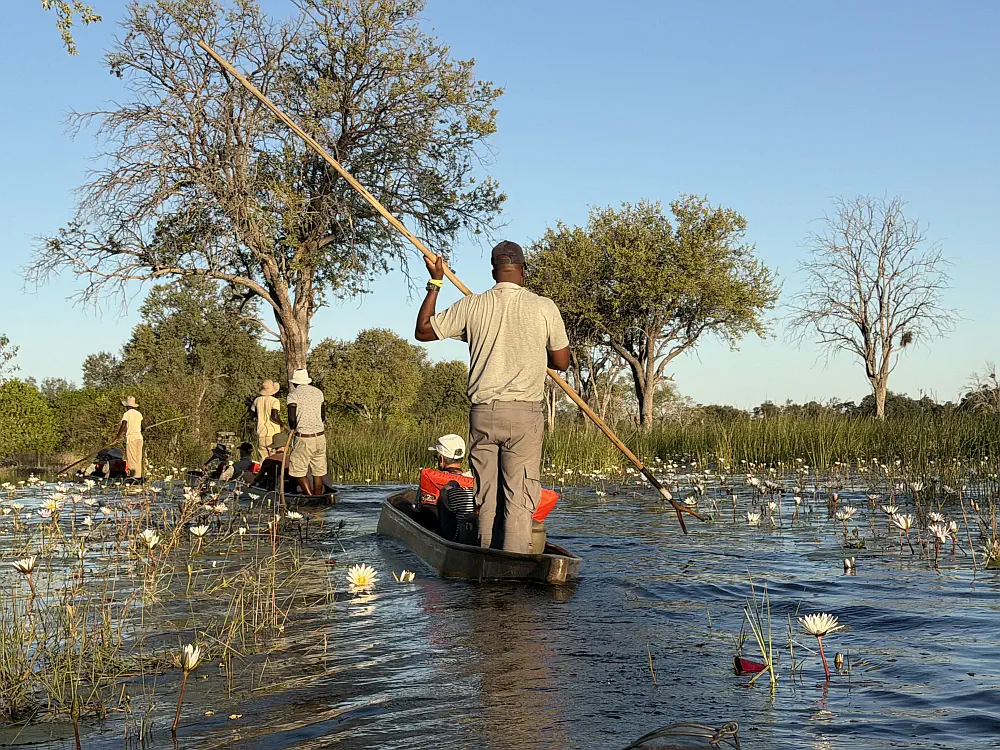
Gliding through water lilies on a silent, traditional mokoro canoe trip.
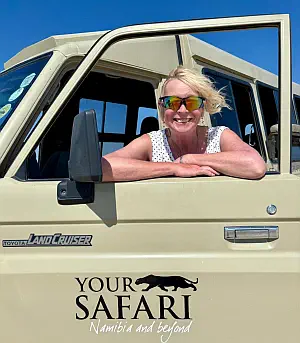
About The Vetting Expert: Kathryn Haylett
Kathryn is a veteran luxury travel designer and professional wildlife photographer. Backed by 25+ years of personal field experience across Southern Africa, she selectively pairs discerning travelers with premier, ecologically sound delta concession camps.
Frequently Asked Questions
Planning a holiday to Botswana is an unforgettable adventure, but it requires careful preparation. To help you plan your journey across the desert landscapes and wildlife conservation reserves, we have compiled the definitive answers below.
Because many of Botswana's luxury wilderness camps sit on isolated islands inside private concessions, there are no public roads. Guests fly into Maun or Kasane, then board small light aircraft (puddle jumpers) that land directly on bush airstrips adjacent to the camps.
Paradoxically, the delta floods during Botswana's dry winter months—typically from June to August. This is because it takes months for the Angolan summer rain to travel down the river networks, making this winter window the peak season for water-based mokoro activities.
Yes. The northern safari sectors, including the Okavango Delta, Moremi, and Chobe, are classified as malaria risk zones, especially during the humid summer months. We strongly advise consulting your GP or travel clinic regarding appropriate prophylactic medication before departure.
Due to space limits inside small aircraft cabins, luggage is strictly restricted to 15kg to 20kg per person. Crucially, bags must be soft-sided duffel bags with no rigid frames or wheels so they can fit safely inside the plane's cargo pod.
Land-based camps focus strictly on traditional 4x4 open vehicle game drives to track big cats and plains game. Water-based camps sit on permanent deep channels, prioritizing motorboat tracking and silent mokoro safaris. Most flagship itineraries balance a mix of both camp styles.
British citizens traveling for standard holiday purposes do not require a tourist visa for stays under 90 days. Your passport must have at least 6 months of validity remaining from your date of departure and contain at least 3 blank pages.
The local currency is the Botswana Pula (BWP). However, because almost all luxury safari camps operate on an all-inclusive basis, US Dollars, Euros, and British Pounds are widely accepted for tipping staff or purchasing curios.