← Home / Discover Tanzania
Tanzania holds a legendary status in the safari world. Home to the iconic endless savannas of the Serengeti, the prehistoric amphitheater of the Ngorongoro Crater, and the majestic snow-capped peak of Mount Kilimanjaro, it represents African wilderness on a monumental scale. By balancing ancient tribal landscapes with peerless big-game protection, it remains a premier destination for travelers.
Classic Overland & Fly-In Expeditions Across the Northern Circuit
Tanzania's geography is spectacular and highly varied. The crown jewel of its wilderness is the **Serengeti National Park**—derived from the Maasai word Siringet, meaning "endless plains." Spanning over 14,000 square kilometers, this grassland ecosystem provides the vital backdrop for the planet's largest overland wildlife migration, where vast herds of wildebeest and zebras move continuously in search of fresh pasture.
Bordering the plains is the **Ngorongoro Crater**, a massive, unbroken volcanic caldera that forms a pristine self-contained bowl. Within its 600-meter-deep walls lie alkaline lakes, fever tree forests, and open savannas that host roughly 25,000 large mammals, including a highly protected resident population of endangered black rhinos. Further south, the landscape shifts toward Tarangire's ancient baobab trees and Lake Manyara's famous groundwater tracking networks.
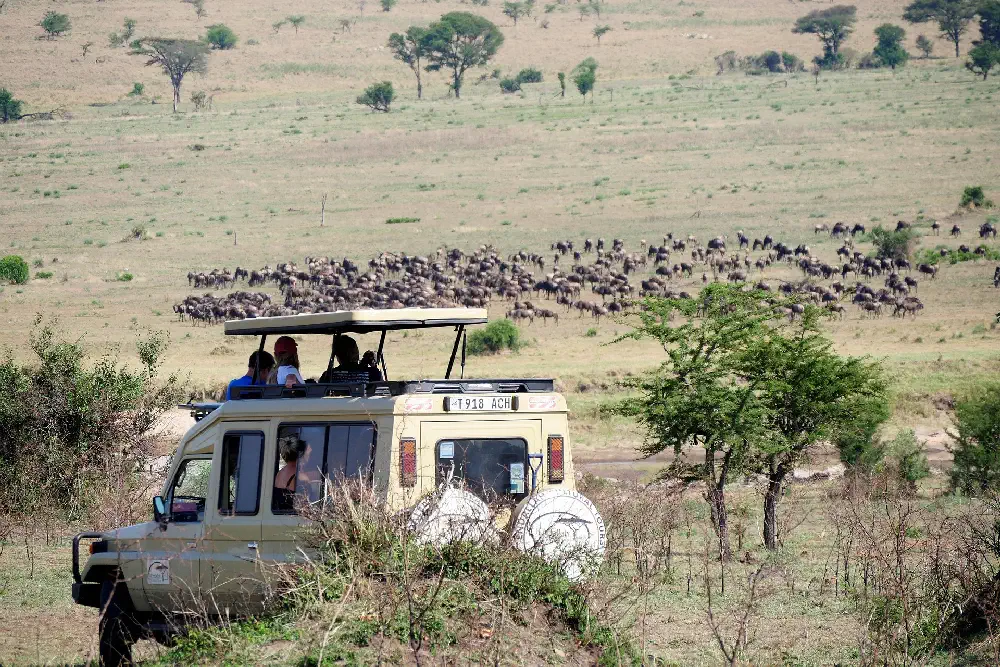
Tracking large game across the iconic golden grasslands of the Serengeti ecosystem.
The Historical Legacy Behind Tanzanian Wilderness Protection
The human history of Tanzania reaches back to the very dawn of humanity. In the **Olduvai Gorge**, located within the Ngorongoro Conservation Area, prehistoric hominid footprints and stone tools dating back millions of years were unearthed, establishing the region as a critical cradle of mankind. For centuries thereafter, diverse pastoralist and hunter-gatherer communities traversed these valleys.
The late 19th century brought European colonial chapters, first under German East Africa and later under British administration as Tanganyika following World War I. Crucially, the territory managed to preserve deep cultural and linguistic unity across its many independent tribal groups.
Led by the revered statesman Julius Nyerere, the country achieved peaceful independence in 1961, later merging with the spice island of Zanzibar in 1964 to create the modern United Republic of Tanzania. Nyerere famously prioritised conservation, stating that protecting wildlife was an essential national duty. This original pledge helped turn vast portions of the country into strictly managed national parks and biosphere reserves, laying the foundation for modern eco-tourism.
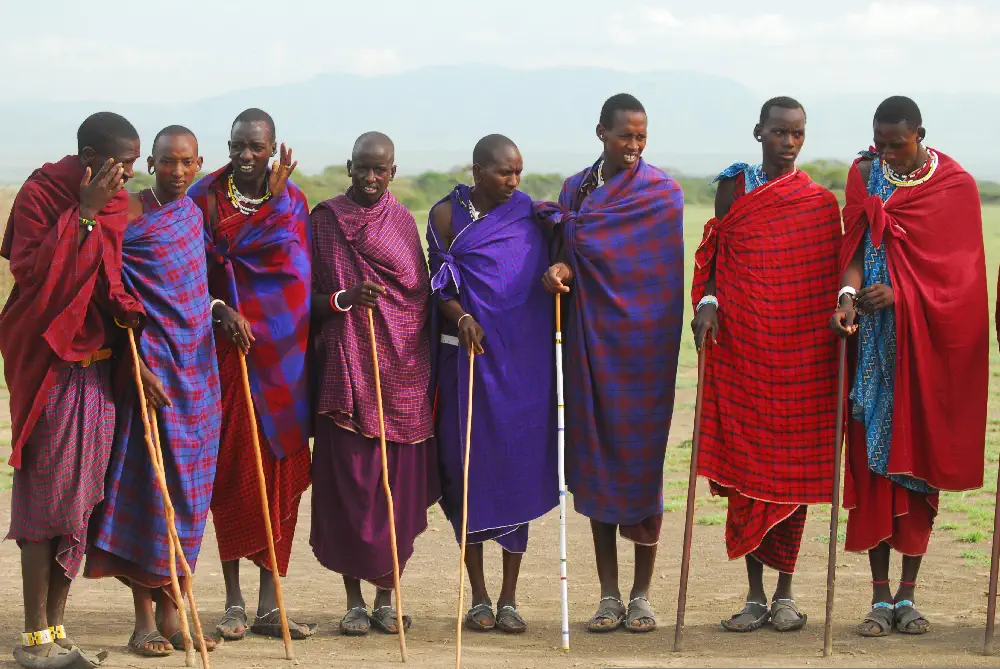
The Maasai communities continue to live alongside wildlife across the northern conservation zones.
Experience Tanzania Firsthand
Hearing the thundering hooves of a million wildebeest or watching lions hunt along the floor of the Ngorongoro Crater is unmatched. Let us design your custom East African safari itinerary.
Request a Custom Route Draft
Cultural Heritage and Community-Led Conservation
Tanzania is a vibrant cultural mosaic, home to over 120 distinct ethnic groups living in complete social harmony, guided by national principles of unity and hospitality.
- The Maasai Tribe: Renowned for their vibrant red shúkàs and intricate beadwork, the semi-nomadic Maasai have lived alongside the wildlife of the Rift Valley for generations, maintaining an ancient pastoral way of life.
- The Hadzabe: Living near Lake Eyasi, the Hadzabe represent one of the last remaining hunter-gatherer communities in Africa, speaking a beautiful and complex click language completely unique to their heritage.
- Language & Unity: While English is widely used across tourism, Swahili (Kiswahili) is the official national language proudly spoken by all citizens, binding the country’s diverse communities together.
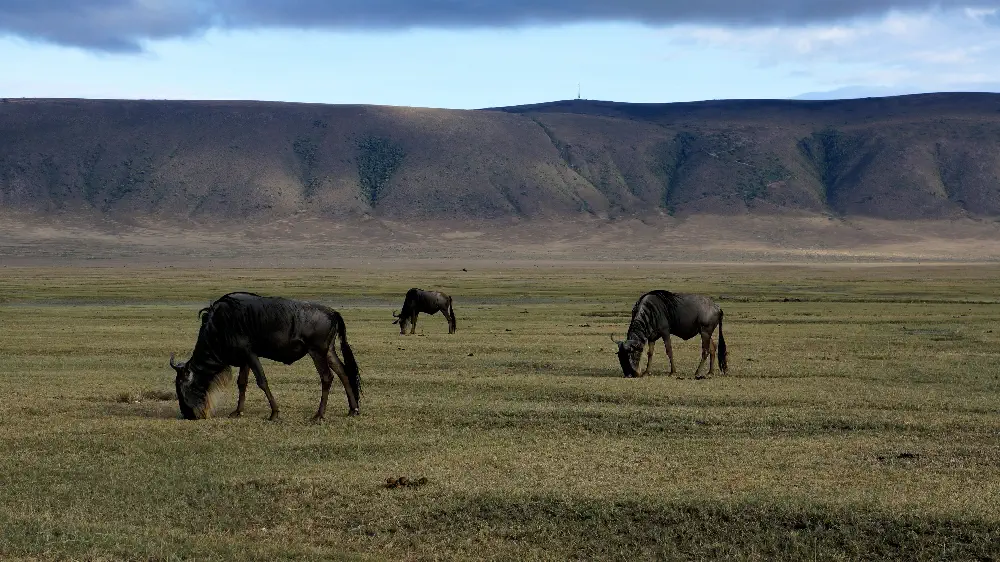
The steep volcanic walls of the Ngorongoro Crater form a permanent wildlife sanctuary.
Undisturbed Tracking: Home of the Great Migration
By committing extensive land resources to permanent national reserves, Tanzania protects pristine ecosystems where the ancient cycles of nature continue uninterrupted. It plays host to the Great Migration, where up to 1.5 million wildebeest and hundreds of thousands of zebras move across the Serengeti and Kenya's Masai Mara, pursued closely by large lion prides, cheetahs, and leopards.
When dry season months cause water sources to thin out, wildlife activity intensifies dramatically around the remaining rivers. Massive crocodiles and hippos fill the deep river bends, while elephant herds congregate beneath the shade of baobab trees, offering exceptional viewing for wildlife photographers.
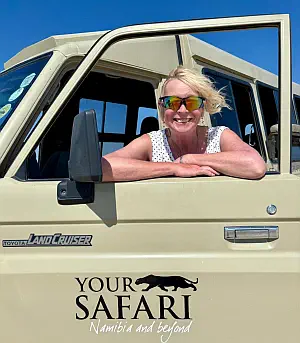
About The Vetting Expert: Kathryn Haylett
Kathryn is a veteran field explorer, author of "The Photographer’s Guide to Etosha," and the founder of Your Safari. She designs custom, safe, and breathtaking itineraries backed by 25+ years of personal African safari design experience.
Frequently Asked Questions
Planning an East African safari or an overland migration expedition to Tanzania is an extraordinary experience, but navigating national park rules and seasonal weather patterns requires careful preparation. To ensure your journey through the Serengeti, Ngorongoro, and beyond is seamless, we have answered our travelers' most frequent questions below.
No, you must never drink tap water in Tanzania. Premium safari lodges, luxury camps, and hotels always provide unlimited complimentary bottled or purified water for drinking and brushing teeth. On game drives, your overland 4x4 will always be stocked with sealed drinking water.
The migration is a fluid, year-round cycle. To witness the dramatic Mara River crossings, visit the northern Serengeti from July to October. For the synchronized calving season where half a million calves are born on the short-grass plains, visit the southern Serengeti (Ndutu region) between January and March.
Overland safaris use robust 4x4 vehicles with pop-up roofs, offering a classic African road trip experience through changing landscapes, ideal for the northern circuit. Fly-in plane safaris utilize light bush aircraft to hop between remote airstrips, reducing travel times and maximizing your hours out tracking game in the bush.
Tanzania offers incredible big-game viewing. You can confidently expect to spot the Big Five (lion, leopard, elephant, buffalo, and rhino) across the northern reserves, alongside cheetahs, spotted hyenas, giraffes, hippos, massive herds of wildebeest and zebras, and hundreds of vibrant tropical bird species.
Yes, strict limits apply. Most domestic bush-plane transfers enforce a maximum limit of 15kg (33lbs) per person, including hand luggage. Luggage must be packed into soft-sided duffel bags rather than hard-shell suitcases so they can fit inside the tight aircraft cargo compartments.
Yes, citizens of the United Kingdom, United States, Canada, and EU nations require a tourist visa. We highly recommend applying for an electronic visa ahead of time via the official Tanzania Immigration e-services portal. Ensure your passport is valid for at least 6 months past your departure date.
The local currency is the Tanzanian Shilling (TZS). However, US Dollars (USD) are widely accepted or even preferred for tipping and optional activities at safari camps. Crucially, US Dollar bills must be clean, crisp, and printed in the year 2013 or newer, as local banks routinely reject older currency notes.
Tanzania is widely regarded as one of the most stable, peaceful, and welcoming countries in East Africa. Tourism infrastructure is highly developed, and crime rates affecting safari travelers are exceptionally low. As with any global travel, staying aware of your surroundings in busy city transit hubs is always recommended.
Tanzanian legal frameworks remain conservative regarding LGBTQ+ relationships. However, private luxury safari lodges, remote bush camps, and beach resorts are highly professional, welcoming, and hospitable to all couples. Public displays of affection are generally uncommon across all groups due to traditional local customs.
Swahili (Kiswahili) is the official national language and is proudly spoken by all citizens. English is the primary language used within business, government, and the tourism sector, meaning communication at airport gates, hotels, and safari camps is completely seamless.