← Home / Discover Kenya
Kenya is where the modern concept of the safari was born. Stretching from the rolling golden grasslands of the Masai Mara to the dramatic walls of the Great Rift Valley, it protects some of the most dynamic wildlife corridors on the continent. By combining traditional communal conservancies with elite anti-poaching frameworks, Kenya delivers an iconic safari experience.
Amboseli & Tsavo Safaris: Wildlife Tracking Under Kilimanjaro
Kenya's geographical layout is incredibly vast. The central focus of its global safari identity is the **Masai Mara National Reserve**—a legendary expanse of wide-open plains that serves as the northern extension of Tanzania's Serengeti. Every year, this ecosystem hosts the dramatic river crossings of the Great Migration, when millions of wildebeest and zebras move northward in search of seasonal pastures.
Further south lies **Amboseli National Park**, famous for its marshy springs and massive elephant herds traveling beneath the snow-capped silhouette of Mount Kilimanjaro across the border. In contrast to these southern plains, the rugged northern landscape of Samburu and Laikipia is defined by volcanic kopjes, dry acacia scrub, and rare endemic species like the reticulated giraffe and Grevy's zebra.
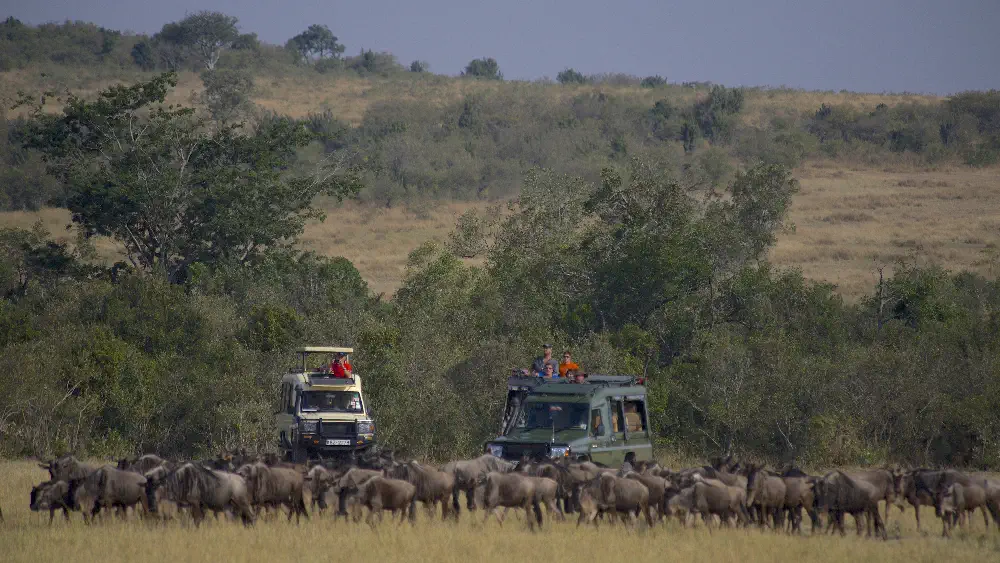
Navigating the classic, game-rich savannas of the iconic Masai Mara ecosystem.
Planning a Kenya Safari: Protected Parks & National Reserves
Kenya's landscapes carry prehistoric significance. Sites across the Great Rift Valley basin contain hominid archaeological remains stretching back millions of years, tracing early human evolution. For centuries, the landscape was defined by the migrations of pastoralist communities moving across these seasonal corridors.
The late 19th century introduced a complex colonial era under the British East Africa Protectorate, which constructed the historic Uganda Railway and established massive farming estates. This expansion pushed wildlife populations back into designated game reserves and former hunting concessions.
Kenya achieved its independence on **December 12, 1963**, under the leadership of Jomo Kenyatta. Recognizing the value of their natural heritage, the young republic banned commercial hunting entirely in 1977. This historic choice shifted the nation's focus exclusively toward photographic safaris and community-led conservation, transforming former hunting grounds into private conservancies that benefit local communities.
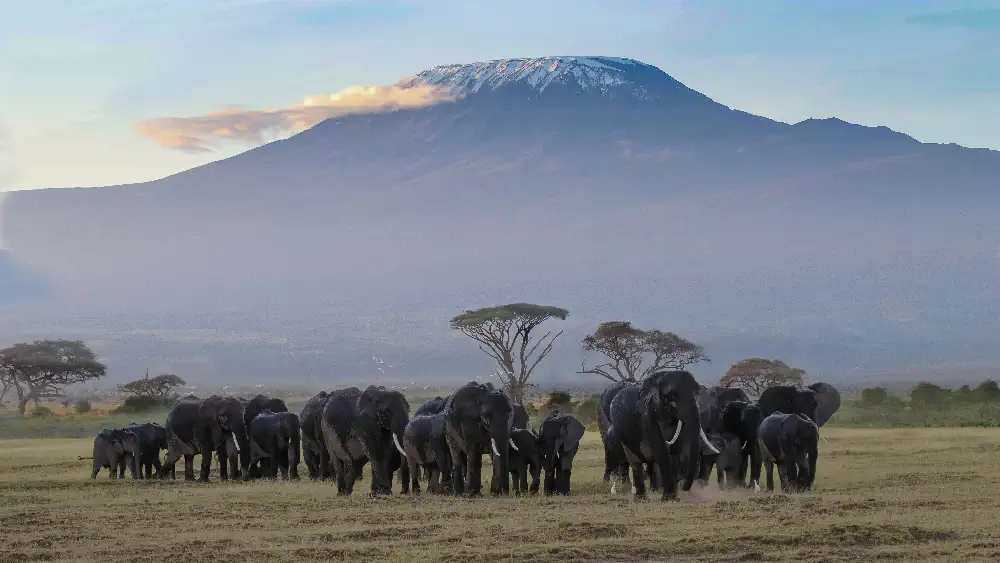
Amboseli National Park offers legendary viewing of large elephant herds beneath Mount Kilimanjaro.
Experience Kenya Firsthand
Watching a cheetah hunt on the open plains or hearing elephants move past your luxury camp is an unforgettable experience. Let us design your custom Kenyan safari route.
Request a Custom Route Draft
Maasai Cultural Experiences & Community Conservancies
Kenya's identity is intricately tied to its local communities, who play a vital, active role in managing modern wildlife buffer zones.
- The Maasai and Samburu: Known for their traditional red attire and deep connection to the land, these pastoralist communities lead protection efforts across private conservancies bordering national reserves.
- The Swahili Coast: Along the historical Indian Ocean shoreline, Swahili culture thrives across islands like Lamu, blending African, Arabic, and Indian design histories.
- Language & Pride: English is spoken fluently across all safari sectors, alongside Swahili (Kiswahili), fostering an exceptionally warm and welcoming tracking environment.
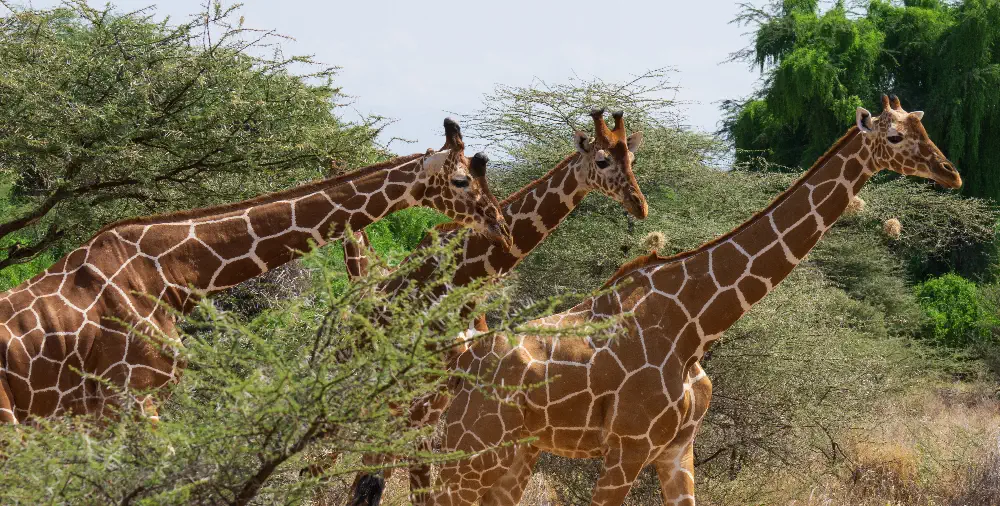
The arid northern reserves protect unique endemic species found nowhere else in Kenya.
Exclusive 4x4 Game Drives for Wildlife Photography
To protect vulnerable wilderness areas from overcrowding, Kenya uses a successful network of private conservancies. These exclusive zones limit tourist numbers and vehicle entries, allowing you to view lion prides, leopards, and black rhinos in quiet, low-density settings.
Down along the floor of the Great Rift Valley, the bird viewing is equally impressive. Thousands of lesser flamingos gather along the shores of alkaline lakes like Nakuru and Bogoria, while fresh-water lakes like Naivasha allow you to track hippos and eagles right from the water.
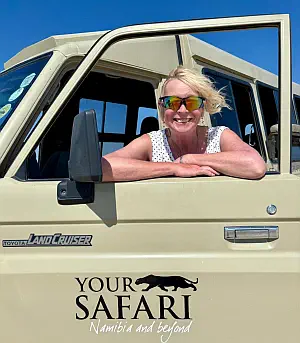
About The Vetting Expert: Kathryn Haylett
Kathryn is a veteran field explorer, author of "The Photographer’s Guide to Etosha," and the founder of Your Safari. She designs custom, safe, and breathtaking itineraries backed by 25+ years of personal African safari design experience.
Frequently Asked Questions
Planning an East African safari or an overland expedition to the Masai Mara is an incredible experience, but navigating entry regulations and private conservancy structures requires careful preparation. To ensure your journey through Kenya's flagship reserves is completely seamless, we have answered our travelers' most frequent questions below.
No, you must never drink tap water in Kenya. Premium safari lodges, luxury tented camps, and hotels always provide unlimited, complimentary bottled or heavily purified water for drinking and brushing teeth. Your tracking vehicles will always be stocked with sealed drinking water bottles.
The Great Migration usually reaches Kenya's Masai Mara between July and October. This is when massive herds of wildebeest and zebras push north across the Mara River, creating dramatic wildlife spectacles. Booking 8 to 12 months in advance is highly recommended for this peak window.
The National Reserve is open to all visitors, which can cause vehicle crowding. Private Conservancies border the reserve, limit access exclusively to their lodge guests, and permit night drives and off-road tracking.
Kenya offers incredible game viewing. You can expect to find the complete Big Five (lion, leopard, elephant, Cape buffalo, and black rhino) across flagship parks, alongside cheetahs, giraffes, hippos, and hyenas.
Yes, strict limits apply. Small domestic bush flights enforce a maximum weight ceiling of 15kg (33lbs) per person, including hand luggage. Baggage must be soft-sided with no rigid frames or wheels to fit into the aircraft pods.
Kenya has replaced standard visas with a mandatory electronic Travel Authorization (eTA). All international travelers, including UK citizens, must apply online via the official government eTA portal well ahead of departure.
The local currency is the Kenyan Shilling (KES). However, clean, crisp US Dollars (USD) printed in the year 2013 or newer are widely accepted at safari lodges and for tipping. Remote bush areas rely exclusively on cash notes.
Kenya is a safe and welcoming destination for holiday travel. Its long-established safari circuit is highly professional and protected by dedicated tourist police units. Maintaining standard situational awareness in cities is recommended.
Kenyan legal frameworks remain conservative. However, private luxury safari operators and remote tented bush camps are highly professional and welcoming to all couples. Public displays of affection are generally uncommon due to traditional customs.
English and Swahili (Kiswahili) are both official national languages. English is spoken fluently across the entire tourism sector, including by all airport gate teams, hotel hosts, and professional safari guides.